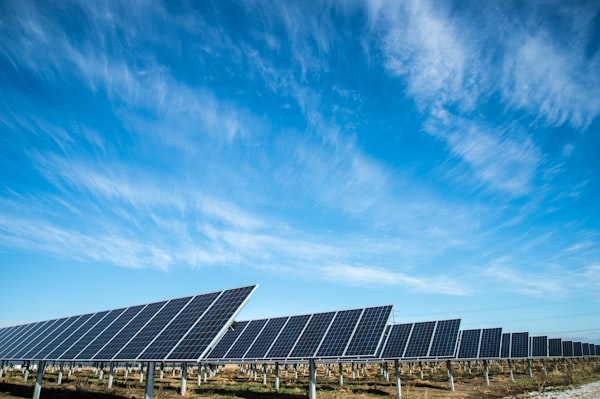
Solar Energy Consultation
Comprehensive assessment of solar viability for your facility, including site analysis, system sizing, and financial modeling tailored to Australian conditions. We evaluate roof structural capacity, shading analysis, grid connection requirements, and regulatory compliance pathways. Our modeling incorporates location-specific irradiance data, equipment degradation curves, and utility rate structures to project system performance across 25-year lifecycles.
Deliverables include technical specifications, equipment recommendations, installation timeline projections, and detailed financial analysis with sensitivity testing across multiple scenarios.
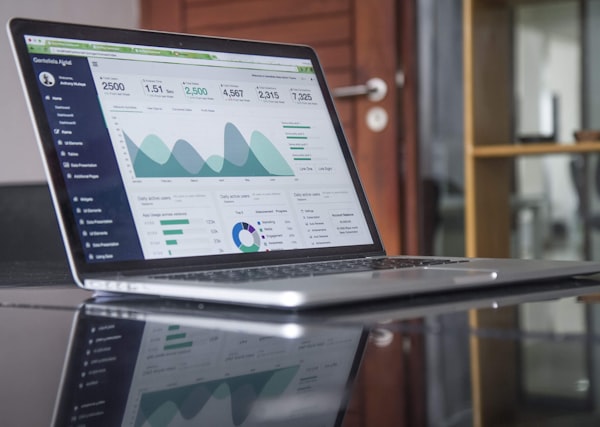
Energy Efficiency Audit
Detailed examination of current consumption patterns across lighting, HVAC, process equipment, and building envelope performance. We conduct on-site measurements, analyze utility data spanning multiple billing cycles, and identify specific interventions ranked by implementation cost and energy savings potential.
Our audits follow AS/NZS 3598 standards and include thermal imaging, power quality assessment, and operational pattern analysis. You receive prioritized recommendations with payback calculations, implementation roadmaps, and baseline metrics for ongoing performance tracking.

Sustainable Building Design
Integration of passive design principles and renewable systems into architectural planning, reducing lifecycle energy demand from the foundation up. We collaborate with design teams during schematic and design development phases to optimize building orientation, envelope specifications, natural ventilation strategies, and daylighting performance.
Our services include energy modeling per Section J compliance requirements, renewable energy system integration planning, water efficiency strategies, and material selection guidance prioritizing embodied carbon reduction. Work products support Green Star or NABERS certification pathways when desired.
Carbon Footprint Assessment
Quantified analysis of your operational emissions across scopes one through three, following National Greenhouse and Energy Reporting methodology. We collect activity data, apply appropriate emission factors, and produce inventories that meet reporting obligations while identifying reduction opportunities.
Assessments include sector-specific benchmarking, uncertainty analysis, and scenario modeling for decarbonization pathways. We provide documentation suitable for CDP disclosure, climate-related financial reporting, or internal target-setting processes. Ongoing measurement frameworks can be established for annual inventory updates.

Renewable Energy System Installation
End-to-end deployment of solar, wind, or hybrid renewable systems, from permitting through commissioning and grid connection. We manage equipment procurement, contractor coordination, electrical integration, and compliance verification with Clean Energy Council standards.
Installation services include structural engineering coordination, electrical design review, inverter and battery storage system specification, metering configuration, and handover documentation. Post-installation, we conduct performance verification testing and provide operational training for facility staff.
Sustainability Training Programs
Customized workshops that build internal capacity for energy management, equipping your team with frameworks for continuous improvement. Training modules cover energy accounting fundamentals, measurement and verification protocols, behavioral efficiency programs, and capital project evaluation methodologies.
Programs can be tailored for facility managers, operations staff, or executive leadership. We provide practical tools, case study analysis, and implementation templates that participants can apply immediately. Sessions range from half-day workshops to multi-session certificate programs depending on organizational needs.