Transforming energy consumption into sustainable solutions
We design pathways toward resilient energy systems that reduce environmental impact while preserving operational excellence.
Explore our approach
We design pathways toward resilient energy systems that reduce environmental impact while preserving operational excellence.
Explore our approach
Rising costs, regulatory pressure, and environmental accountability create complexity. Yet these same forces reveal opportunity for those who act deliberately.
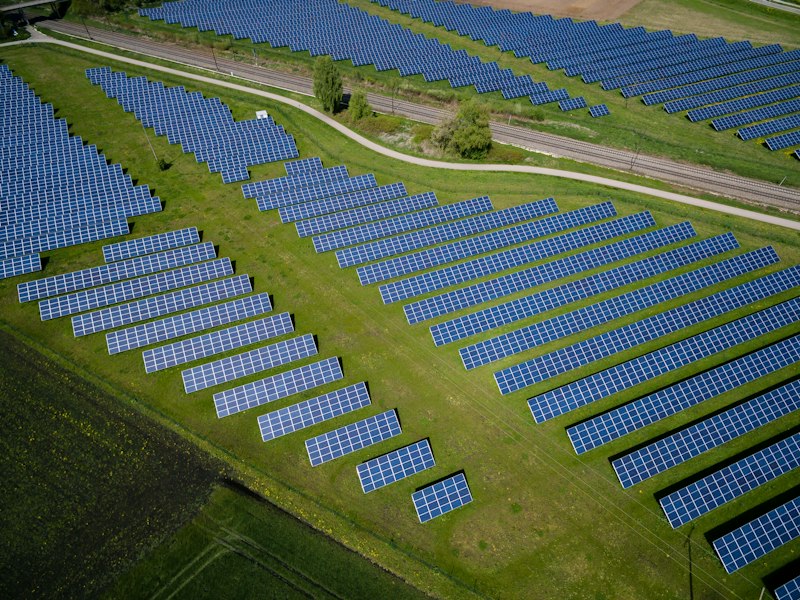
Specialized capabilities designed to create measurable change across your energy footprint.
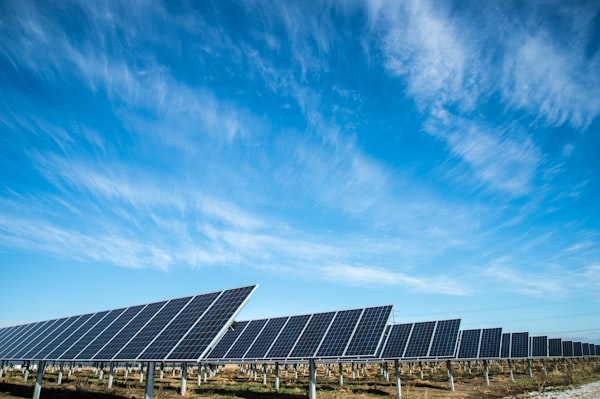
Comprehensive assessment of solar viability for your facility, including site analysis, system sizing, and financial modeling tailored to Australian conditions.
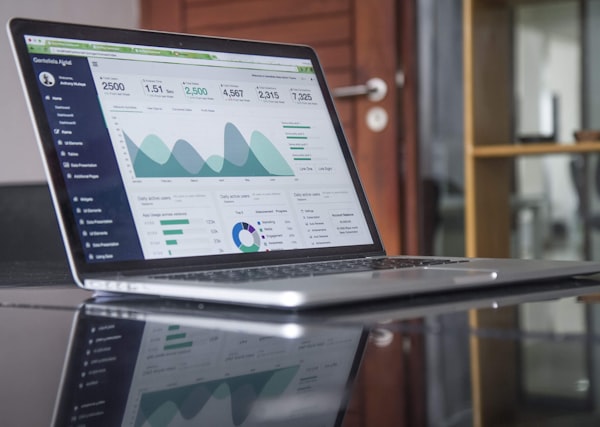
Detailed examination of current consumption patterns, identifying waste points and optimization opportunities with actionable recommendations.

Integration of passive design principles and renewable systems into architectural planning, reducing lifecycle energy demand from the foundation up.
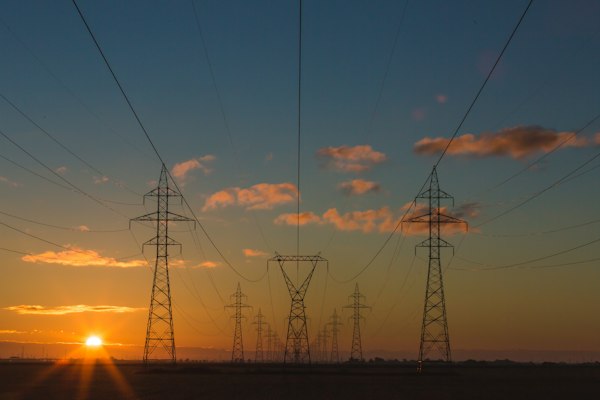
Quantified analysis of your operational emissions across scopes one through three, with sector-specific benchmarking and reduction pathways.

End-to-end deployment of solar, wind, or hybrid renewable systems, from permitting through commissioning and grid connection.
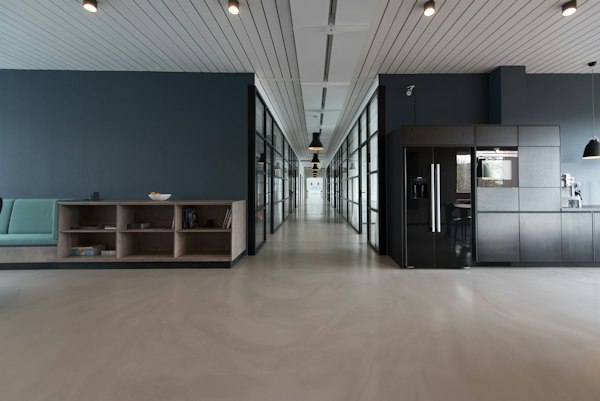
Customized workshops that build internal capacity for energy management, equipping your team with frameworks for continuous improvement.
Share your requirements and we'll outline the next steps specific to your context.
Our methodologies integrate peer-reviewed research on energy transition pathways with practical deployment knowledge across Australian climates and regulatory frameworks.
Each engagement draws from verified sources to ensure recommendations align with current scientific understanding of renewable technologies and carbon reduction strategies [1].
The information provided on this website is for general educational purposes and should not replace professional engineering or financial advice. Energy system performance may vary based on site-specific conditions, regulatory changes, and technological developments. We recommend consulting with licensed professionals before making significant infrastructure decisions. Results depend on multiple factors beyond our control, including weather patterns, grid conditions, and organizational implementation.